
The Comeback That Should Have Been Filed Away
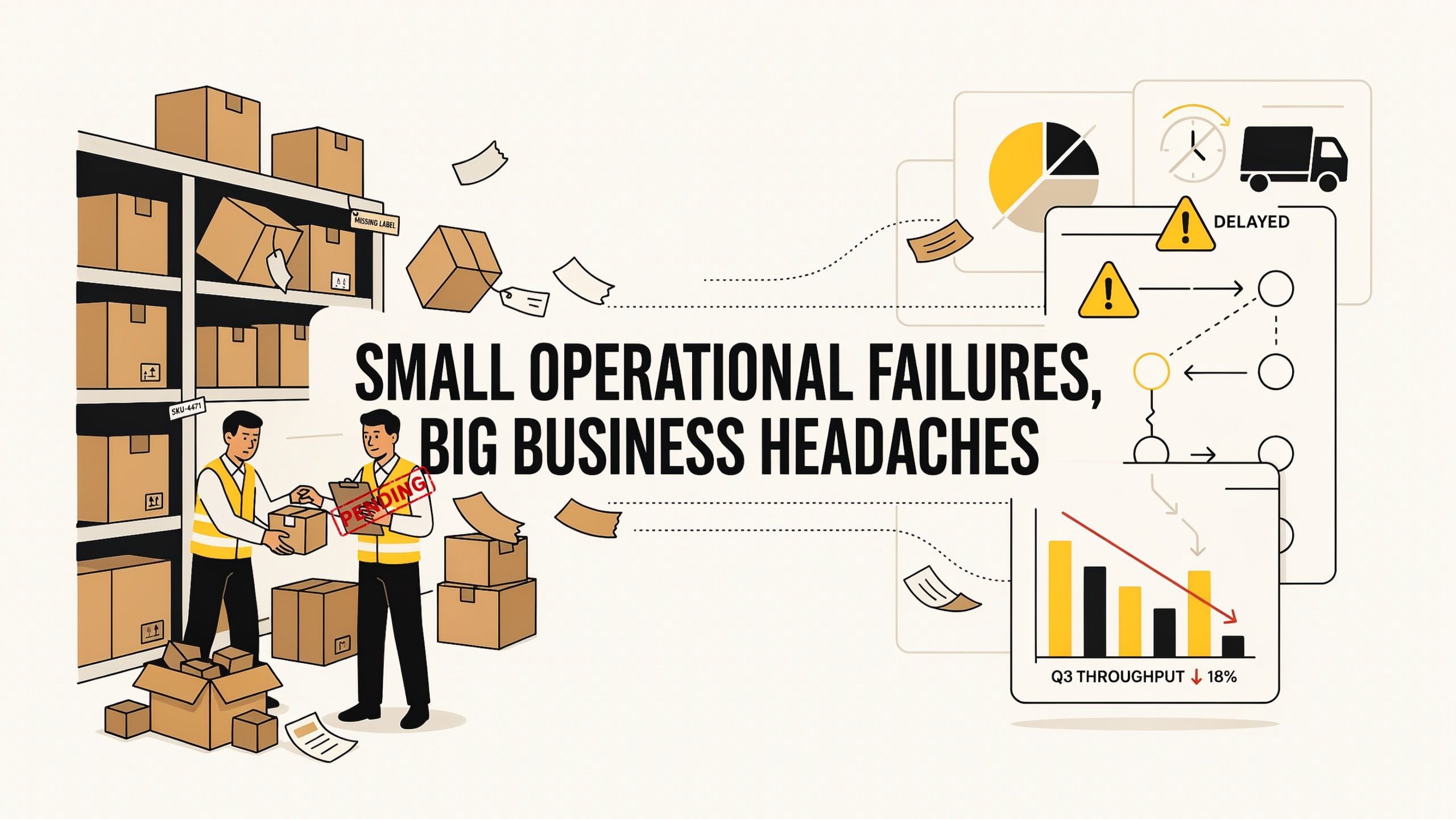
It usually starts small. A unit gets assigned, the note never makes it into reporting, and the next person on the shift walks in blind. The customer shows up expecting a clean handoff; the desk sees a delay; everyone gets a slightly different story. That kind of drift is not dramatic, but it is expensive.
Lifestyle and general-interest writing often treats storage like a simple backdrop for moving boxes and clearing closets. In practice, it is closer to a daily operations test. People arrive with seasonal gear, family furniture, hobby equipment, and one or two items they swear they will need “next month.” If the process around those items is sloppy, the inconvenience shows up fast.
That is why good judgment matters more than polished presentation. Clean floors help. So does a friendly manager. But the real difference comes from accountability, coverage, and the ability to keep small oversights from becoming full-on escalations.
The cost of a small miss is rarely small
A missed handoff does not stay missed. It becomes a call-back, then a service complaint, then an extra round of reporting nobody planned for. In a business with moving parts, the true cost is often downtime, not the obvious error. One unchecked blind spot can pull time from two teams and still leave the customer irritated.
That is especially true for people making practical storage choices. They are not looking for a speech. They want clear access, predictable coverage, and a facility that does not create drama when life already has enough of it. If a gate code fails, a climate-controlled unit is unstable, or the process for vehicle storage is vague, the problem is no longer about convenience. It is about whether the operation can be trusted when pressure shows up.
There is also an uncomfortable trade-off here: tighter oversight can slow some interactions. More checks mean more steps. But the alternative is drift, and drift gets expensive quietly. The strongest operations accept that a little friction is better than a lot of repair work later.
For consumers, this shows up in surprisingly ordinary moments. A parent trying to access holiday decorations, a small business owner rotating inventory, or someone storing a car between seasons all depend on routines that work the same way on a busy day as they do on a calm one. The less a person has to improvise, the better the experience feels.
How to make the choice without getting talked in circles
The best decisions here are boring in the right way. They rely on clear facts, plain questions, and a willingness to notice where the process breaks down. You are not looking for perfection. You are looking for fewer surprises.
A useful rule is to treat the first interaction as evidence. Whether you are asking about access, move-in timing, or what happens when a reservation changes, the response should be specific and steady. If the answer depends on who you happen to reach, that inconsistency usually follows you deeper into the experience.
It also helps to think beyond the immediate need. Many people start with a single room in mind and end up needing different conditions later, such as climate control for sensitive items or drive-up access for heavy loads. A practical choice leaves room for those changes without forcing a full reset. In practice, this is where attention shifts toward Minnesota storage choices that can handle real usage without friction.
- Test the handoff. Call, visit, or ask a basic question and see how the answer moves across people. If the response changes from one conversation to the next, that is not a style issue. It is a reporting problem.
- Check for operational friction. Ask about access, unit types, and what happens when a code fails, a door sticks, or a reservation needs to change. The right answer should sound specific, not rehearsed.
- Judge the follow-through, not the pitch. A good operation handles escalation without acting offended by it. If a manager can explain coverage, timing, and next steps without scrambling, you are probably dealing with a system that can hold up under pressure.
Consistency beats charm:
A pleasant tone is nice, but it cannot rescue a weak process. Consistency matters because customers remember whether the same question gets the same answer twice. When the story changes, trust drops quickly.
Flexibility should be built in, not improvised:
Plans change. People buy larger furniture, extend travel, or decide they need seasonal storage for longer than expected. A good setup anticipates change instead of treating it like an inconvenience.
Do not confuse busyness with competence:
A busy desk can look efficient while still missing details. The real test is whether the team can keep records straight, answer basic questions, and resolve issues without creating a second problem.
People remember the save, but the system made it possible
Most customers never see the machinery behind a smooth experience. They just notice when something works: the unit is ready, the access is clear, the issue gets handled before it turns into a story. That is the quiet value of strong operations. It prevents the kind of social humor people trade later about “the day nothing went right.” The joke lands because everybody recognizes the chaos underneath it.
The broader lesson is simple. Good judgment is not flashy. It is the discipline of noticing where delays happen, where oversight fails, and where a little extra accountability prevents a bigger cleanup later. In general lifestyle terms, people often think they want convenience. In practice, they want fewer unnecessary corrections. That is a harder standard, and a better one.
A smoother process also gives people room to focus on the reason they stored the items in the first place. Maybe they are clearing space during a move. Maybe they are protecting belongings during renovation. Maybe they just want the garage back. Whatever the reason, the operation should reduce stress instead of adding one more thing to remember.
A better comeback is usually a better process
When people talk about storage, they usually start with space. Fair enough. But the real story is process: who owns the handoff, how quickly a delay is caught, and whether the operation can handle a small problem without turning it into a bigger one.
That is what separates a temporary fix from a dependable choice. Not the loudest promise. Not the slickest presentation. Just fewer blind spots, cleaner accountability, and a system that does not lose its footing when the day gets messy.
In that sense, the best operations are almost invisible. They do enough to stay ready, but not so much that the customer has to decode the whole process. When the basics are handled well, people can move through their day without having to create their own backup plan.
What to notice before you commit
Before you settle on any option, pay attention to the parts that reveal how the place actually runs, not just how it looks from the outside.
If the routine feels organized, the answers stay consistent, and the follow-up seems built for real life, you are probably looking at a setup that can handle more than a polished first impression.