
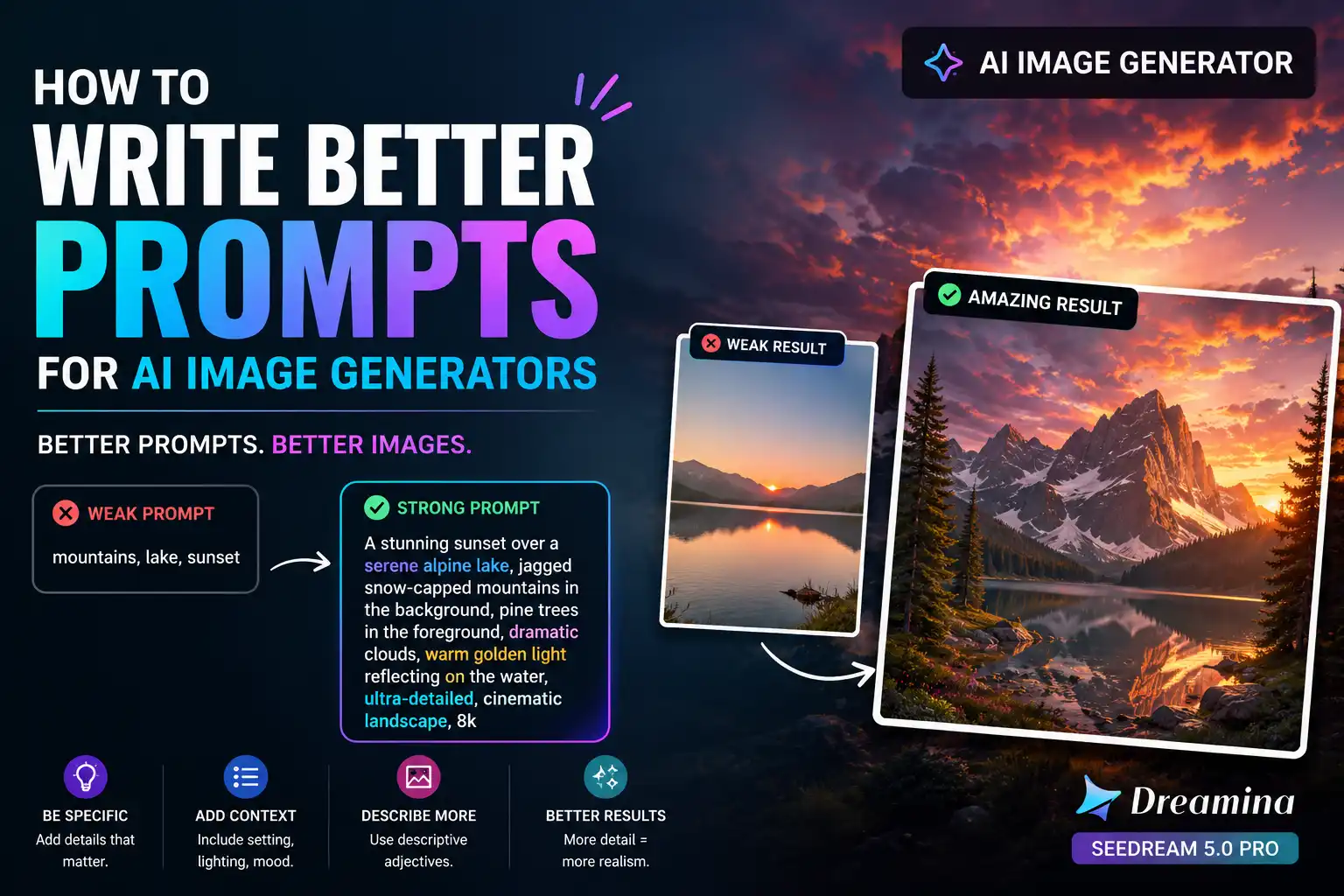
It’s a kind of frustration when you type out a complicated scene in your mind, and you end up with something flat and generic that’s missing half of what you were doing. Often, it’s not the tool itself. There’s a lack of weight to guide it, and it’s the prompt. When an AI image generator is used with a prompt that does its job correctly, it can create rich, detailed scenes from a single prompt that truly falls within a world. When used with a prompt that does its job correctly, an AI image generator can build a rich, detailed scene from a single prompt, indeed a real world! This attention to detail is something that Dreamina values and is using in its latest model, Seedream 5.0 Pro.
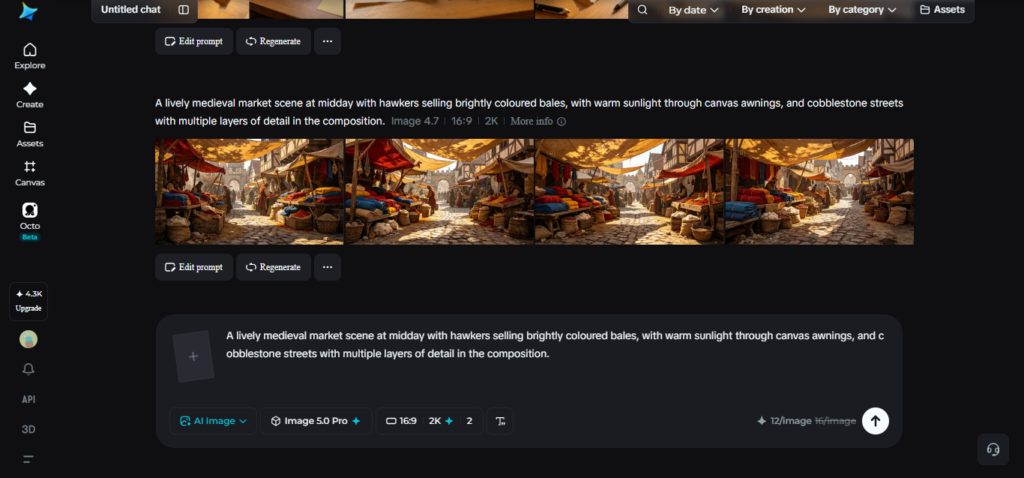
Why details in the prompt are more important than details in the tool
The assumption that a more advanced model would be better at handling vagueness is easy to make. Even the best tools require guidance when used in the real world. A cue, such as ‘a marketplace’, leaves all of these things up to interpretation – lighting, mood, time of day, crowd size. The model has something to build when there is a prompt that is a description of the marketplace at a particular time, in particular weather, with a particular activity occurring. The quality of the rendition is more or less proportional to the quality of the source material.
The layers required to create a detailed scene
A scene is not just one idea, it is multiple ideas that combine. There are a couple to consider before beginning to write:
- The location, when the action takes place, the weather conditions,
- The objects contained within it, what they are doing, how they are organised.
- Every aspect of the environment is important, such as lighting quality, atmosphere, mood, sense of depth etc.
If you miss any of these, the overall image may lack something, even though you may have a great concept.
Meet Dreamina’s Seedream 5.0 Pro
Seedream 5.0 Pro is especially adept at this type of layered scene work, as it thinks through a prompt before creating. It’s not about keywords, but on how each element relates to the other, the subject, the environment, the lighting, and so on, until you have a composition that works for the scene, rather than just the keywords. It will also create a point of reference for detailed scenes by referencing them with accurate, up-to-date material instead of generalizations. In addition to 2K output for detail that will last in close ups, there’s layer separation to tweak individual pieces later on and native text support in 14 languages for any in-scene signage and dialogue.
Creating a detailed prompt from just one, well-designed prompt
This is where a bit more work in the prompt can make a big difference quickly. You can see the details of the game in Dreamina.
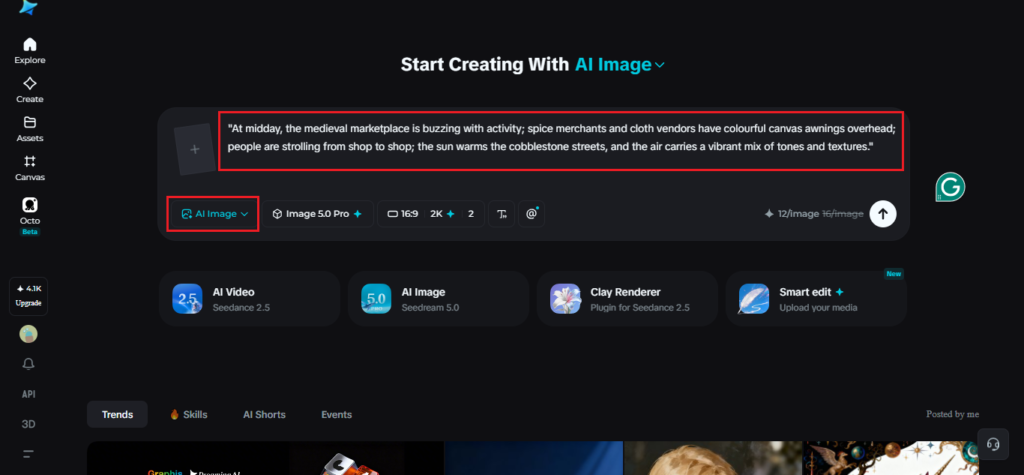
Step 1: Write a text prompt and/or add reference image
Go to Dreamina and tell about the entire scene, first things, then environment, then subjects and then mood and lighting. If you have any reference image that captures part of the atmosphere, you’re looking forward to uploading it.
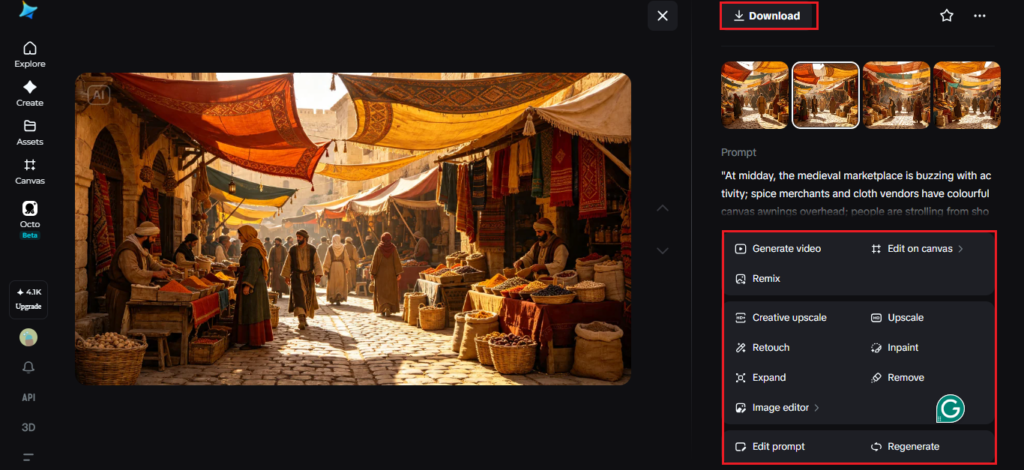
Here is an example of a prompt: “At midday, the medieval marketplace is buzzing with activity, spice merchants and cloth vendors have colorful canvas awnings overhead, people are strolling from shop to shop, the sun warms the cobblestone streets, and the air carries a vibrant mix of tones and textures.”
Step 2: Modify parameters and repeat the steps
Use the Seedream 5.0 Pro model, which is selected as Image 5.0 Pro. Adjust the aspect ratio and size to suit what the scene is going to be used for, and then select the resolution: 1K to see if the scene will work; 2K, once you are sure that the scene will work. Once it has been set, click on Dreamina’s icon and let it generate.
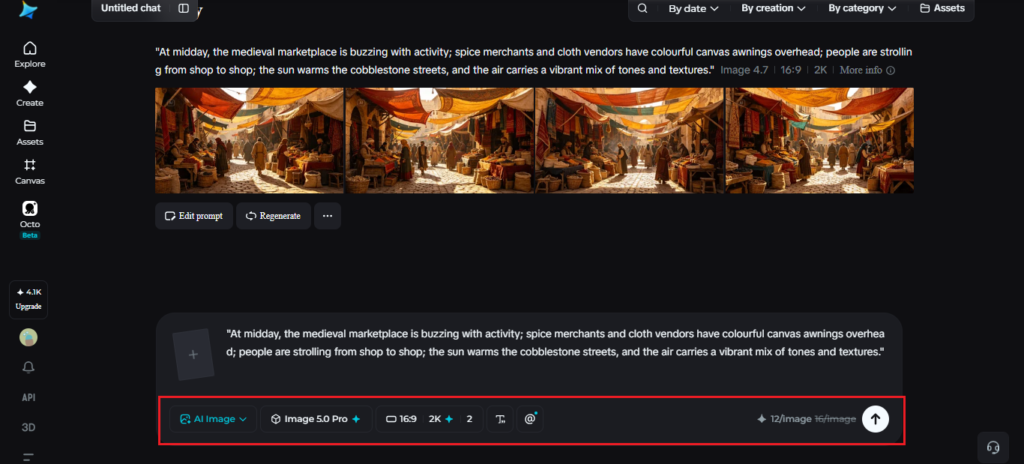
Step 3: Customize and download
It’s a layered scene and this kind of thing rarely happens on the first try, so it’s not to be expected. Play with inpaint, expand, remove, and retouch to fix anything that feels wrong, an overcrowded corner that requires space, lighting that doesn’t fit, etc. When it comes across as finished, press “Download.
Getting your prompt in order, to prevent losing anything
Including all the information in a run-on sentence is likely to make the most significant information sink in somewhere. A more considered sequence aids:
- Set up and time first
- Introduce the main subjects and their activity next
- Close in mood, lights and all fine atmospheric details.
This type of information is more likely to be transferred than a list of unrelated details.
The errors that can ruin a great, otherwise strong scene
There are a couple of habits that specifically hinder the generation of detailed scenes:
- Excessive amount of competing focal points with no clear priority
- Describing parts but not describing relationships between parts
Accepting a standardised version of a particular setting when a specific version is required.If the prompt is crowded and there’s no hierarchy, it’s likely that the image is crowded and lacks hierarchy.
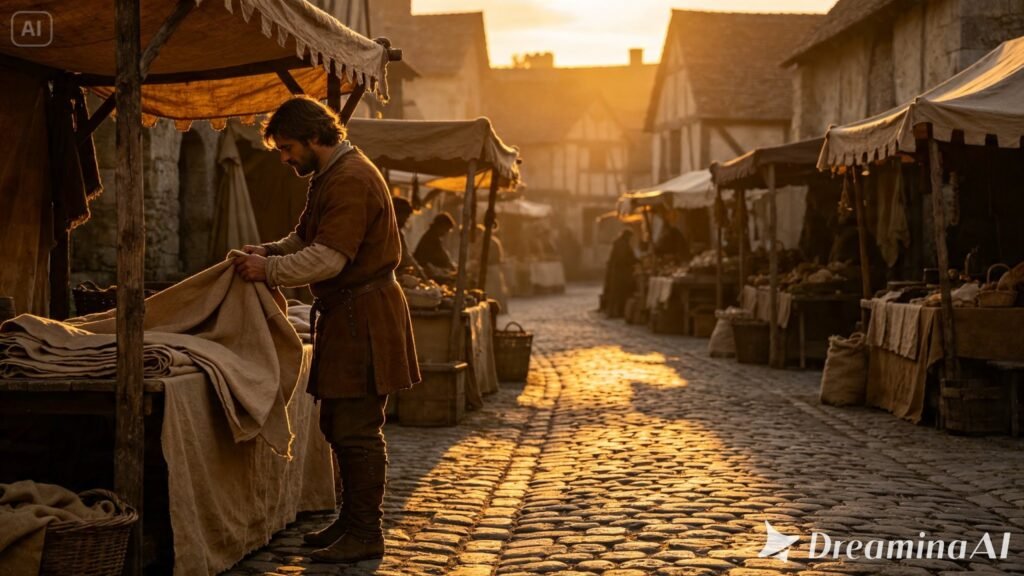
When you need to provide a numbered scene for each prompt, it can be worthwhile
This type of scene building is more important in certain scenarios. When you are doing concept art or pre-production, this can be a huge help as a complete environment can be created prior to anyone picking up the tools and building it in real. Storyboarding multiple scenes with multiple subjects/layers of activity, or marketing images that are trying to look like a real experience, requires this same depth. This is where it works when one photo evokes an entire world of context.
Wrapping up
It’s not an issue of asking for more, it’s asking for more specifically. Using a readable prompt in conjunction with Dreamina and Seedream 5.0 Pro can generate a realistic scene that coheres – environment, subjects, and character mood working as a unified unit instead of in opposition.